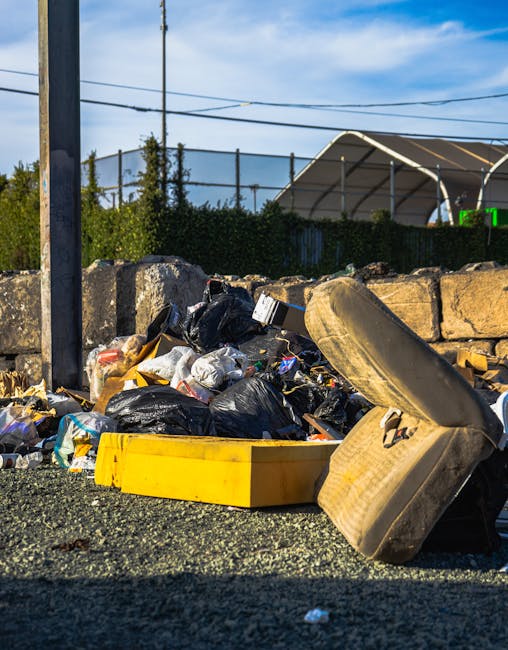
Hanwell rubbish removal guide for Boston Road and W7

If you live, work, or manage a property near Boston Road, you already know how quickly rubbish can pile up. A broken wardrobe in the hallway, a garden bag that never quite made it to the tip, builders' offcuts after a small refurb, or a flat clearance that suddenly became a lot bigger than expected - it all adds up. This Hanwell rubbish removal guide for Boston Road and W7 is here to make the process feel less awkward, less risky, and much easier to plan.
Truth be told, rubbish removal sounds simple until you're the one standing in front of a pile of mixed waste wondering what can go where, what needs special handling, and how to get it gone without causing stress for neighbours or blocking access on a busy street. That's especially true around W7, where parking, access, and timing can matter more than people expect. This guide walks through the practical stuff: how rubbish removal works, what to check before you book, common mistakes to avoid, and how to choose the right type of clearance for your situation.
By the end, you should have a clear sense of what to do next - whether that means arranging a one-off clearance, planning ahead for a renovation, or simply taking a more organised approach to waste from the start.
- Why Hanwell rubbish removal guide for Boston Road and W7 Matters
- How Hanwell rubbish removal guide for Boston Road and W7 Works
- Key Benefits and Practical Advantages
- Who This Is For and When It Makes Sense
- Step-by-Step Guidance
- Expert Tips for Better Results
- Common Mistakes to Avoid
- Tools, Resources and Recommendations
- Law, Compliance, Standards, or Best Practice
- Options, Methods, or Comparison Table
- Case Study or Real-World Example
- Practical Checklist
- Conclusion
- Frequently Asked Questions
Why Hanwell rubbish removal guide for Boston Road and W7 Matters
Boston Road sits in a part of Hanwell where everyday life and practical logistics meet. You've got homes, flats, small businesses, busy roads, and the usual mix of household waste, old furniture, garden debris, and renovation leftovers. That combination makes rubbish removal feel more important than people sometimes realise.
Why does that matter? Because waste left too long can become more than a nuisance. It can block shared entrances, attract pests, create trip hazards, and make a home or business look run-down. In a shared building, one person's "I'll deal with it later" can quickly become everyone's problem. And on a road like Boston Road, where space can be tight and parking can be, let's face it, a bit of a chess game, planning the removal properly saves time and irritation.
It also matters because not all waste is the same. A few black bags from a declutter is one thing. A broken freezer, a load of plasterboard, or old office paperwork is something else entirely. Different waste streams need different handling, and that's where a bit of knowledge protects you from costly mistakes.
Key takeaway: the best rubbish removal is not just the fastest option. It's the one that matches the type of waste, the access on the day, and the level of certainty you need.
How Hanwell rubbish removal guide for Boston Road and W7 Works
In practical terms, rubbish removal usually follows a simple pattern. You identify what needs to go, decide whether it's general waste, bulky items, garden waste, builders' waste, or something more specialist, then arrange a collection method that suits the load and the property.
The process can look a little different depending on your circumstances, but the main stages are usually these:
- Sort the waste type. Separate general rubbish from furniture, electrical items, hazardous items, and recyclable materials where possible.
- Estimate the volume. A few bin bags is not the same as a garage clearance or a post-refurbishment load.
- Check access. On Boston Road and nearby streets, think about parking, narrow entrances, stairs, and whether items need carrying through the property.
- Choose the right service. A standard rubbish removal service may suit mixed waste, while builders waste clearance, furniture disposal, or garden clearance may be more appropriate for specific jobs.
- Book a suitable time. Timing matters more than people think, especially if neighbours, deliveries, or business opening hours are involved.
- Prepare the items. Keep things accessible, label anything uncertain, and avoid mixing prohibited materials with regular waste.
- Load, remove, and sort. A good clearance team will load safely, separate reusable or recyclable material where possible, and take the waste away for appropriate disposal.
That's the broad shape of it. The detail comes from what you're clearing. A house clearance, a loft clearance, and a quick office tidy-out all feel similar at first glance, but in reality they have different pacing, different risks, and different decisions behind them.
If you're clearing a home that has become difficult to navigate, a broader house clearance service or home clearance service may be a better fit than treating it as a simple rubbish run. Same idea, different outcome.
Key Benefits and Practical Advantages
The obvious benefit is that you get your space back. That alone is often enough, especially when rubbish has started to spill into areas you actually need to use. But there are a few less obvious advantages too.
- Less disruption. A planned clearance is usually quicker and calmer than trying to deal with waste in bits and pieces over several weekends.
- Better safety. Clearing broken furniture, sharp materials, or awkward items reduces the chances of trips, cuts, and blocked access.
- Cleaner presentation. Useful if you're preparing a rental property, selling a home, or getting a business premises back into shape.
- More controlled costs. If you know the waste type and volume in advance, you're less likely to end up paying for surprises.
- Proper handling of awkward items. Fridges, mattresses, office paper, and some waste streams require more care than bagged rubbish.
- Better recycling outcomes. Mixed loads can often be separated more effectively when the clearance is planned properly.
There's also a simple psychological benefit. A messy space can quietly drain your energy. You walk past it, promise yourself you'll deal with it, and then somehow it's still there three weeks later. Clearing it properly can feel oddly relieving. Not dramatic. Just lighter.
If sustainability matters to you, it's worth looking at the provider's approach to recycling and sustainability. Even a straightforward clearance can be handled with a more thoughtful end destination than the average "just take it away" approach.
Who This Is For and When It Makes Sense
This guide is useful for a wide mix of people around Boston Road and the wider W7 area. You might recognise yourself in one of these situations:
- Homeowners who are decluttering before a move, renovation, or sale.
- Landlords dealing with leftover items after tenants have left behind furniture or mixed rubbish.
- Tenants who need to leave a flat tidy and want to avoid last-minute panic.
- Families clearing lofts, garages, sheds, or spare rooms that have become storage zones.
- Local businesses needing office waste, old stock, or furniture removed with minimal interruption.
- Tradespeople looking to clear construction debris after a job.
It also makes sense if you've got one awkward item rather than a huge pile. A sofa that won't fit in the car. A fridge that's been sitting in the corner of the kitchen for months. A mattress that's too bulky to handle alone. Those are exactly the kinds of jobs where a well-organised removal service saves time and backache.
To be fair, a lot of people only start looking into rubbish removal after the task becomes uncomfortably visible. The spare room door won't close. The hallway is full. Or the landlord has sent a very polite but very firm email. That's usually the moment the job becomes real.
For larger property clearances, a dedicated flat clearance, garage clearance, or loft clearance can be the more sensible route.
Step-by-Step Guidance
Here's a practical way to approach rubbish removal without overcomplicating it.
1. Walk through the space first
Before you book anything, take a slow look at the area. Identify what is definitely waste, what might be reusable, and what you're unsure about. In a house or flat, that often means checking cupboards, corners, under beds, and that one "temporary" pile that has somehow become permanent.
2. Separate the obvious categories
Keep general rubbish apart from bulky furniture, electrical items, and potentially hazardous materials. If you're clearing an office, separate confidential paperwork for secure destruction. If you're clearing a kitchen, remember appliances may need their own handling. This makes the job smoother and safer.
3. Note access issues
On Boston Road and nearby W7 streets, access can be the hidden complication. Is there a narrow staircase? Limited parking? A basement flat with a long carry? A rear gate that sticks? Mention these things early. It avoids awkwardness on the day.
4. Choose the right service type
Different waste needs different handling. General mixed rubbish may fall under broader waste removal, while renovation debris may need builders waste clearance. Old seating may be better handled through mattress and sofa disposal or furniture clearance.
5. Ask about restricted items
Some items are not treated like ordinary waste. Think fridges, certain liquids, chemicals, paint, or other potentially hazardous materials. If you're not sure, ask before the collection day rather than leaving it until the last minute.
6. Prepare the load
Move items to a safe, accessible point if you can do so without risk. Don't force yourself to drag heavy things down stairs or across a wet patio. That's how a simple job turns into a small disaster. If the team needs to collect from inside, make sure they can move without tripping over boxes, shoes, or the dog's favourite blanket.
7. Confirm what happens after collection
It's reasonable to want to know how the waste is managed afterwards. Good providers should be able to explain their recycling approach, safety practices, and how they deal with specialist items. You don't need a lecture. Just clarity.
Expert Tips for Better Results
These small choices often make a bigger difference than people expect.
- Book before the deadline gets tight. If you have a tenancy handover, builders arriving, or a family event coming up, don't leave waste removal until the day before.
- Take photos of the load. This can help with estimating volume and avoiding confusion about what needs collecting.
- Keep sharp and fragile items separate. Broken glass, metal edges, and damaged furniture should not be mixed loosely with soft items.
- Be honest about the volume. Understating the job can create delays. Better to be straight about what's there.
- Ask what is recyclable. You may be surprised how much can be diverted away from general disposal when the load is sorted properly.
- Plan around the street. In busier parts of Hanwell, timing your collection to avoid school runs, commuter peaks, or delivery windows can reduce stress.
A small one-line reality check: the "I'll sort it later" method rarely improves with age.
If your job involves a work premises rather than a home, the right fit may be office clearance or business waste removal, especially where there's paperwork, furniture, or routine waste to manage alongside the clearance.
Common Mistakes to Avoid
Most rubbish removal problems are not dramatic. They're usually avoidable. A little preparation saves a lot of frustration.
- Mixing everything together. Hazardous items, electricals, and general waste should not all be thrown into one unpredictable pile.
- Forgetting access details. Steps, tight corners, locked gates, or no-parking zones can slow things down.
- Ignoring bulky item rules. A sofa is not just a bigger bag of waste. It usually needs a plan.
- Leaving items outside too early. That can look untidy and may create problems with neighbours or passers-by.
- Underestimating time. A flat clearance often takes longer than a quick room clean-out. That's normal.
- Not checking specialist handling. Fridges, appliances, and certain materials should be managed properly, not guessed at.
Another one people miss: they sort the obvious items but forget the hidden extras. Drawers, cupboard contents, cables, batteries, old paperwork, and those random chargers that never match anything. It all counts, and it all needs thinking through.
If you're unsure about an item, especially a mixed or awkward one, a specialist page such as fridge and appliance removal can help you think more clearly about the right route.
Tools, Resources and Recommendations
You do not need a mountain of equipment to handle rubbish removal well. But a few simple tools make the process safer and calmer.
- Heavy-duty gloves for handling rough, dusty, or sharp waste.
- Strong refuse sacks for small general waste and loose materials.
- Labels or tape to mark items that should not be moved or that need special handling.
- A torch for lofts, garages, sheds, and poorly lit corners.
- Basic measuring tape if you want a better sense of volume before booking.
- Protective footwear for heavier items and awkward carry routes.
As for recommendations, think in terms of fit rather than prestige. A straightforward rubbish removal job should feel easy to arrange. If you need clearer pricing context, the provider's pricing and quotes page is a sensible place to start. If you're more comfortable booking online, that can simplify the process when you already know what needs clearing.
For people who like to self-check what can go where, the page on what can go in a skip is also useful as a general reference point, even if you decide not to use a skip in the end. Different collection methods suit different jobs. That's the point.
Law, Compliance, Standards, or Best Practice
Waste removal in the UK is not just about convenience. There are basic legal and safety expectations around how waste is collected, transported, and dealt with. You do not need to become an expert overnight, but you do need to be cautious about who handles your waste and how they operate.
In plain English, good practice usually means:
- Waste is collected safely and not left in a way that causes harm or obstruction.
- Special items are separated rather than handled casually.
- Recycling is considered where practical.
- Confidential or sensitive material is destroyed properly.
- The provider can explain their safety approach and what happens to the waste after collection.
If you're dealing with documents, old records, or paperwork from a business, confidential handling matters. In that case, confidential shredding is the right kind of service to think about rather than treating it like ordinary office rubbish.
Safety should also be taken seriously. That includes lifting practices, access planning, and handling items that may be fragile, heavy, or contaminated. You'll often see providers reference their health and safety policy or insurance and safety approach. That's not just paperwork. It tells you whether they take the job properly.
For hazardous or unusual materials, do not guess. If something is potentially dangerous, it needs the right route. A dedicated hazardous waste disposal service is the safer option than hoping for the best, which, honestly, is not much of a plan.
Options, Methods, or Comparison Table
There's more than one way to clear rubbish in Boston Road and W7. The right method depends on the amount, type, and urgency of the waste.
| Method | Best for | Pros | Things to watch |
|---|---|---|---|
| One-off rubbish removal | Mixed household or general waste | Quick, convenient, minimal disruption | Needs accurate volume estimate |
| Furniture clearance | Sofas, tables, wardrobes, beds | Good for bulky items and room resets | Check stair access and item size |
| Builders' waste clearance | Renovation debris, offcuts, rubble | Suited to mixed construction waste | May involve heavier lifting and sorting |
| Garden clearance | Green waste, branches, soil, broken outdoor items | Clears outdoor space fast | Wet or heavy waste can add weight |
| Skip-related planning | Larger, ongoing, or self-managed clearances | Useful for longer jobs and DIY projects | You need to know what can go in it before you start |
There isn't a single "best" option for everyone. A small flat clearance after a move may be better handled as a complete job, while a refurbishment with steady waste output might suit a different setup. In other words, match the method to the mess.
Case Study or Real-World Example
Picture a typical flat near Boston Road. Nothing dramatic. Just a few bulky items left after a tenancy change: an old sofa, a broken coffee table, a small fridge, several bags of mixed household waste, and some boxed bits from the cupboard that were never unpacked properly in the first place. A couple of items needed careful lifting because the stairwell was tight and the building had shared access.
The sensible approach was to separate the fridge, group the furniture together, and keep the mixed bags tidy and accessible. The access details were checked in advance, including where the vehicle could stop and how long the carry route would be. No guesswork. No "we'll see on the day" nonsense.
The result was simple: the space was cleared in one visit, the flat was ready for cleaning, and the landlord didn't have to chase anyone over leftover junk. Nothing flashy. Just a job done properly.
That's often what people want most from rubbish removal, even if they don't say it out loud: not a perfect speech, not a fancy process, just a clean finish and no more lurking boxes in the corner.
Practical Checklist
Use this quick checklist before booking rubbish removal in Hanwell:
- Have I identified exactly what needs removing?
- Have I separated general rubbish from furniture, appliances, and hazardous items?
- Do I know roughly how much space the waste takes up?
- Have I checked access, stairs, parking, and carrying distance?
- Have I noted any fragile, sharp, or restricted items?
- Do I need a specialist service for builders' waste, office waste, or appliance removal?
- Have I chosen a time that works for neighbours, tenants, customers, or trades?
- Do I want to ask about recycling, safety, or insurance before booking?
- Is confidential material being handled separately?
- Have I left the waste in a safe and accessible place?
If you can tick most of those off, you're in a good position. If not, no panic. It just means there's a bit more planning to do before you book.
Get a free quote today and see how much you can save.
Conclusion
A good Hanwell rubbish removal guide for Boston Road and W7 should do more than explain what rubbish removal is. It should help you make a confident decision, avoid the usual pitfalls, and choose the right approach for your property, your schedule, and the type of waste you're dealing with.
The big lesson is fairly simple: the cleaner the plan, the easier the removal. Sort the waste, think about access, be honest about volume, and use the right service for the job. That way, you're not just getting rid of clutter - you're clearing the way for the next stage, whether that's a move, a renovation, or a bit more breathing room at home.
And if the pile still looks intimidating from the doorway, that's normal. Start with one bag, one room, or one category. Small wins add up surprisingly fast.
In the end, a tidy space has a way of making everything feel a little more manageable. Funny how that works.
Frequently Asked Questions
What is the best rubbish removal option for Boston Road and W7?
The best option depends on the waste type and amount. General mixed rubbish, bulky furniture, garden waste, office items, and builders' debris all call for slightly different handling. If you're unsure, start by identifying the waste first.
Can I mix furniture, bags of rubbish, and electrical items together?
Sometimes mixed loads can be collected, but electrical items and certain bulky or hazardous items may need separate handling. It's better to flag them early than to bundle everything together and hope for the best.
Do I need to sort everything before collection?
You do not always need to sort everything into perfect categories, but a basic separation of general waste, furniture, appliances, and anything sensitive or hazardous makes the job much smoother.
How do I know if I need a house clearance rather than general rubbish removal?
If you are clearing most or all of a property, or if there are multiple rooms involved, a house clearance or home clearance is often more appropriate than a simple rubbish pick-up.
What should I do with an old fridge or freezer?
Fridges and freezers should not be treated like ordinary rubbish. They usually need specific handling, so a dedicated fridge and appliance removal service is the safer choice.
Is rubbish removal suitable for landlords and tenants?
Yes. Landlords often use it after a tenancy ends, and tenants use it when they need to leave a property clear and tidy. It can be especially helpful when items are left behind or the move-out date is tight.
What if I have confidential papers to dispose of?
Confidential documents should be handled separately, not thrown into mixed waste. If you need secure disposal, look at confidential shredding.
Can rubbish removal help with a garage or loft that's full of clutter?
Absolutely. A garage clearance or loft clearance is often the most practical way to deal with long-term storage that has got out of hand.
What are the main mistakes people make when booking waste removal?
The biggest mistakes are underestimating the amount of waste, forgetting access issues, mixing restricted items with general rubbish, and leaving the booking too late. Those are the ones that usually cause avoidable stress.
How can I tell if a provider takes safety seriously?
Look for clear information about their safety process, insurance, and how they handle lifting, carrying, and special waste streams. Pages such as health and safety policy and insurance and safety are good signs that safety is treated as part of the job, not an afterthought.
Can rubbish removal be arranged for a business premises in W7?
Yes. Offices, shops, and other workplaces often need scheduled or one-off clearances. Business waste removal or office clearance is usually the right place to start.
What should I ask about recycling before I book?
Ask how mixed waste is separated, what items can be recycled, and whether reusable materials are handled thoughtfully. A provider with a clear recycling and sustainability approach is usually a better fit if that matters to you.