Emergency bulky rubbish removal near Hanwell Broadway
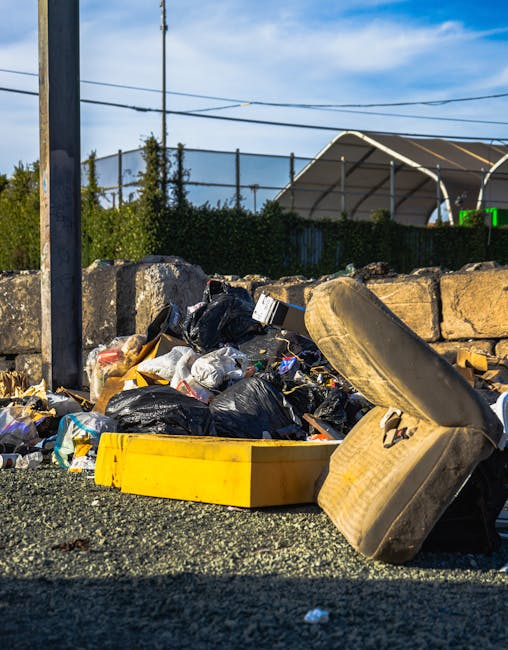
If you are staring at a broken wardrobe in the hallway, a water-damaged sofa in the lounge, or a pile of rubble that simply cannot wait until next week, emergency bulky rubbish removal near Hanwell Broadway is the kind of service that saves time, stress, and a few grey hairs. In a busy part of West London, space disappears fast. One large item can block a corridor, a loading bay, or even the front path. And let's be honest, nobody wants to spend a Saturday wrestling a mattress into a hatchback.
This guide explains how emergency bulky rubbish removal works, when it makes sense, what to expect from a reliable collection, and how to avoid the usual headaches. You will also find a practical checklist, a comparison table, and a few real-world pointers from the sort of jobs that tend to crop up at short notice.
In short: when bulky waste has become urgent, the right removal plan is the quickest route back to a usable, safe space.
Why Emergency bulky rubbish removal near Hanwell Broadway Matters
Bulky rubbish becomes urgent for a few very ordinary reasons. A fridge dies on a humid day and starts smelling quickly. A tenant move-out leaves a sofa, drawers, and old shelving in the flat. Builders finish a job and leave a pile of timber, broken plasterboard, and packaging in the way. None of this is dramatic on its own, but put it together and the space starts to feel unworkable.
Near Hanwell Broadway, timing matters too. Streets can be busy, parking can be tight, and access is not always straightforward. If an item is wedged in a communal hallway or blocking a shop back entrance, waiting around is not just inconvenient; it can create a safety issue. You also tend to notice the knock-on effect. One bulky item turns into two, then three, and suddenly the whole area looks cluttered. It happens quickly. Too quickly, sometimes.
Emergency bulky rubbish removal is not just about convenience. It is about restoring access, reducing trip hazards, preventing further damage, and making the area usable again. For households, that might mean getting a living room back before guests arrive or before a repair visit. For landlords and property managers, it may be the difference between a smooth handover and a delayed checkout. For businesses, it can keep a trading area presentable and safe.
There is also the practical side people often miss: bulky waste is awkward. It is heavy, unpredictable, and often too large for standard council bins. Some items are not suitable for casual handling, especially broken furniture with sharp fixings, old appliances with residual liquids, or water-damaged materials that have become unstable. A professional clearance approach reduces the chance of injury and usually gets the whole job done in one visit.
How Emergency bulky rubbish removal near Hanwell Broadway Works
While every provider works a little differently, the process usually follows a similar pattern. The simpler the situation, the faster it tends to move. That said, the best crews still ask a few careful questions first. A rushed yes without checking access or item type can turn a short job into a messy one.
Typically, the process starts with a call, message, or online booking. You describe the bulky items, the pickup location, how urgent it is, and whether there are any access issues. For example: "second-floor flat, no lift, one large sofa, a bed frame, and some boxed junk from the shed." That sort of detail helps a team judge vehicle size, staffing, and timing.
After that, you should expect a clear estimate or quote. Reputable operators usually base this on the volume, weight, item type, labour involved, and any disposal challenges. A refrigerator is different from a dismantled wardrobe. A couple of office chairs is different from a wet mattress and a pile of broken wardrobe panels. Obvious, really, but worth saying because surprise charges are where people lose patience.
On the day, the team should arrive with the right equipment, including gloves, dollies, sack trucks, blankets, and appropriate lifting gear where needed. They will assess what can be removed safely, separate reusable or recyclable materials where possible, and load everything efficiently. If there is parking pressure or shared access, they should work quickly and keep disruption low. In our experience, the best teams are the ones who move calmly. No shouting, no drama, just steady work.
Once collected, items are transported for disposal, reuse, recycling, or specialist handling if required. Depending on the waste type, this may include transfer to a licensed facility or recycling stream. If you need a broader service beyond a single bulky item, it can help to look at the wider waste removal options available, especially when the clear-out has grown legs and there is more there than first thought.
Key Benefits and Practical Advantages
The obvious benefit is speed. When something bulky is blocking the way, you want it gone promptly, not after a long chain of phone calls and uncertain time slots. But speed is only part of the story.
- Safer spaces: Removing heavy or unstable items lowers trip, cut, and lifting risks.
- Less stress: You do not have to organise a van, find helpers, or wrestle with disposal rules.
- Better appearance: A cluttered hallway, driveway, or shopfront can look neglected very quickly.
- Faster property turnaround: Useful for landlords, agents, sellers, and busy homeowners.
- Better handling of awkward items: Large furniture, appliances, and mixed bulky waste are handled more efficiently.
- Potential recycling value: Reusable or recyclable materials can often be separated rather than just dumped.
There is also the emotional benefit, which people sometimes underestimate. If you have lived with a broken sofa for weeks, the room can start to feel temporarily broken too. Once it is removed, the whole place breathes again. Sounds a bit dramatic, but it is true. One clear floor can change how a home feels at 7am on a weekday.
Emergency removal is especially useful when time-sensitive events are involved: a tenancy changeover, family visit, post-renovation cleanup, or a sudden appliance failure. In those moments, a quick, organised collection is worth more than a slightly cheaper but slower option.
Who This Is For and When It Makes Sense
This service suits a wide range of people. Some are dealing with a one-off problem. Others need a fast, tidy solution after a bigger disruption.
Homeowners and tenants often need help with broken furniture, old mattresses, white goods, or loft and garage clutter that suddenly has to go. A single item can be enough to call for help, especially if it is too bulky for normal disposal.
Landlords and letting agents may need urgent clearance between occupants. A flat left with unwanted furniture, old carpets, or a few bags of mixed rubbish can delay cleaning, repairs, and re-marketing. If the property is near Hanwell Broadway and time is tight, same-day or next-day collection can be a practical fix.
Businesses also rely on bulky waste removal more often than people think. Office moves, shop refits, stock-room clear-outs, and broken fixtures can all create items that need removing fast. For these jobs, it may be worth looking at a more business-focused option such as business waste removal or, where desks, chairs, and storage units are involved, office clearance.
Tradespeople and contractors may need bulky rubbish taken away after an install, rip-out, or refurbishment. Old bath units, damaged cabinetry, packaging, and stripped-out fittings can build up fast. If you are dealing with building debris as well as furniture, builders waste clearance is the more relevant route.
When does it make sense? Usually when one or more of these apply:
- the item is too big, heavy, or awkward to transport yourself
- you need it removed quickly for safety or access reasons
- the waste is mixed and would take several trips to sort out
- the property is in a shared block or a tight street where handling needs to be careful
- the item is not suitable for regular council bin collections
Step-by-Step Guidance
If you want the smoothest possible removal, a bit of preparation helps. Not loads. Just enough to avoid delays.
- Identify exactly what needs removing. Write down the item types, rough quantity, and whether anything is damaged, damp, sharp, or unusually heavy.
- Check access. Note stairs, lifts, narrow doorways, parking restrictions, or entry codes. One awkward staircase can change the whole plan.
- Separate anything that should stay. It sounds simple, but in a busy flat it is very easy to mix wanted items with rubbish. Happens all the time.
- Take a few photos. Good photos help a removal team give a more accurate estimate and bring the right equipment.
- Ask about timing. If it is genuinely urgent, say so clearly. Same-day or next-day windows depend on route planning and availability.
- Confirm what the quote covers. Look for labour, loading, disposal, and any extra handling for awkward access or special items.
- Prepare the area. Clear a small path if you can, keep pets and children away, and make sure someone can grant access.
- Walk through the job at arrival. A quick five-minute check at the start avoids confusion later.
A small practical point: if the bulky item is in a communal area, notify neighbours or building management if needed. No one likes to move a wardrobe past someone's pram at 8:30 in the morning. It just sets everyone off on the wrong foot.
For bigger decluttering jobs, you may also want support with furniture-specific items. Services like furniture clearance or furniture disposal can be more suitable than a general clear-out when the load is mostly sofas, beds, tables, and cupboards.
Expert Tips for Better Results
Here is where a little planning pays off.
1. Group similar items together. If all the furniture is in one area and smaller bits are bagged separately, the job usually moves faster. A scattered room slows everyone down.
2. Tell the truth about the access. If there are two flights of stairs and no parking outside, say it. Honest details save time and reduce the chance of a re-quote later.
3. Think about item condition. Water-damaged furniture, broken glass, or contaminated waste may need extra handling. Mention it early. That way no one is surprised halfway through.
4. Avoid last-minute mixing. If you are clearing a room, keep documents, valuables, medication, and personal keepsakes separate. People only realise this after the van has arrived, and by then the stress goes up fast.
5. Use the job to reset the space. Once the bulky waste is gone, wipe, sweep, or vacuum the area while it is open. It sounds obvious, but it makes a bigger difference than you expect. The room feels done, not just emptied.
6. Choose the right scope. A single-item emergency pickup is not the same as a full house or loft cleanout. If the clutter has spread, a wider service such as house clearance, home clearance, flat clearance, loft clearance, or garage clearance may be the smarter move.
Small expert note: the cheapest option is not always the best value if it means multiple visits. One efficient collection often costs less overall than two rushed ones. Funny how that works.
Common Mistakes to Avoid
Most problems are avoidable. That is the good news. The bad news is that people tend to make the same few mistakes when they are rushed.
- Underestimating the size of the load. A "few bits" can turn into half a van once everything is gathered together.
- Not checking access properly. Tight corners, stairwells, and parking rules matter more than people expect.
- Leaving the booking too late. If the waste is already causing a problem, waiting another week usually makes it worse, not better.
- Forgetting special items. Fridges, freezers, mattresses, and bulky appliances may need different handling.
- Mixing rubbish with items to keep. This is a classic. One useful chair goes out with five broken ones, and the panic begins.
- Ignoring safety. Lifting without proper technique, or dragging sharp and heavy pieces by yourself, can lead to injuries.
There is also a pricing mistake worth mentioning. People sometimes focus only on headline cost and ignore what is included. Ask whether loading, sorting, disposal, and labour are part of the same quote. For a useful overview of budgeting and avoiding surprise add-ons, see how to avoid hidden rubbish removal costs in Hanwell and how to reduce expenses when removing bulky waste items.
Truth be told, the biggest mistake is often doing too much yourself because you feel you should. You do not get extra points for wrestling a sofa through a doorway alone.
Tools, Resources and Recommendations
You do not need much to prepare for emergency bulky rubbish removal, but a few simple tools make life easier.
- Measuring tape: helpful if access is tight or you need to check whether a large item will fit through a route.
- Phone camera: use clear photos for quoting and planning.
- Marker labels: useful when separating keep, donate, recycle, and remove piles.
- Protective gloves: sensible for moving small items or checking damaged edges.
- Bin bags or boxes: good for loose accessories, fixings, or smaller associated waste.
For certain item types, specialist disposal routes can be more efficient. Old appliances are often better handled through fridge and appliance removal. Mattresses and sofas, because of their size and material mix, can be better covered by mattress and sofa disposal. If your clear-out also includes outdoor waste, garden clearance can help with branches, soil, fencing offcuts, and old outdoor furniture.
If you are dealing with sensitive documents during a wider clear-out, that is a different matter entirely. Confidential papers should not just be tossed in with general waste. A service like confidential shredding is the safer route for private business or personal records.
And if you want to understand how a provider generally operates before booking, it can help to read the business's own background and standards pages such as about us and insurance and safety. Those pages should give you a clearer feel for how carefully the work is handled.
Law, Compliance, Standards, or Best Practice
Emergency bulky waste removal needs to be handled responsibly. You do not need to become a compliance expert, but it helps to know the broad expectations.
First, waste should be passed to a properly operated service, and the collection should be handled in line with relevant waste and duty-of-care principles. In plain English: your rubbish should go somewhere legitimate, not vanish into a mystery van. If a provider cannot explain where waste goes, that is a red flag.
Second, some items need special handling. Appliances, electricals, and anything potentially hazardous may not belong in general bulky waste. Likewise, items contaminated by chemicals, bodily fluids, mould, or heavy damage may require different procedures. If there is any doubt, ask before the collection day. Better a slightly awkward question than a messy mistake.
Third, safe lifting and transport matter. Heavy items should be moved with the right technique and equipment, especially in shared spaces or on stairs. Reputable teams should work with sensible health and safety habits, not improvisation. If you want to check a provider's general approach, pages such as health and safety policy and recycling and sustainability can be reassuring.
Finally, if there are building rules, concierge instructions, or parking restrictions near Hanwell Broadway, those should be respected. A well-run removal service should plan around access limitations rather than create problems for neighbours, residents, or shopfronts.
Practical takeaway: ask how waste is handled, whether recyclables are separated, and whether the team is equipped for awkward access. Clear answers usually mean a smoother job.
Options, Methods, or Comparison Table
There are several ways to deal with bulky rubbish. The best one depends on urgency, volume, item type, and how much heavy lifting you want to do yourself.
| Option | Best for | Pros | Limits |
|---|---|---|---|
| Emergency bulky rubbish removal | Urgent, large, awkward, or heavy items | Fast, convenient, usually handled end-to-end | May cost more than self-clearance for very small jobs |
| Self-removal with a vehicle | Small loads and flexible timing | Can be cheaper if you already have transport | Time-consuming, lifting risk, disposal logistics |
| General waste collection | Mixed rubbish that is not bulky | Suitable for lighter, simpler loads | Not ideal for furniture or large appliances |
| Specialist item disposal | Appliances, mattresses, sofas, or hazardous items | Tailored handling and safer processing | Requires correct item category and booking |
If you are choosing between methods, think about friction, not just price. How many lifts are involved? Do you need a van? Is parking available? Will you need help carrying a mattress down stairs at the end of a long day? That last one alone can change the equation pretty fast.
For people in a hurry, the convenience of a fast collection often outweighs the effort of doing it piecemeal. If the pile is small and you already have transport, self-removal may work. If it is large, mixed, or awkward, a dedicated collection is usually the cleaner answer.
Case Study or Real-World Example
Here is a typical scenario. A flat near Hanwell Broadway has a broken three-seater sofa, an old coffee table, and a wardrobe that has split at the back. The tenant is moving out the next morning, and the landlord needs the room cleared before cleaners arrive. There is one narrow staircase, no lift, and limited on-street parking.
The first step is to confirm the items, take photos, and check access. Then the job is scheduled as urgent bulky waste removal. On arrival, the team removes the smaller loose pieces first, protects the stair edges where needed, and carries the larger furniture out carefully in sections. The wardrobe is dismantled enough to move safely. The whole collection finishes in a single visit, which matters because the cleaner can then start immediately and the keys can be handed over on time.
Now, that sounds simple when written down. In real life there is usually one odd detail. Maybe the front door sticks slightly. Maybe a neighbour parks in the only clear space. Maybe the sofa is heavier than anyone expected. But with a clear plan, the job still gets done. Calmly. No need for heroics.
In a nearby business setting, the same logic applies. A shop refit may need display units, broken shelving, packaging, and an old fridge removed before opening hours the next day. That is where quick, coordinated collection matters most: less disruption, less mess, less stress.
If the job is a full property clear-out rather than a single-item emergency, related services such as house clearance or home clearance can be the better fit. The key is matching the service to the scale of the mess, not forcing everything into one bucket.
Practical Checklist
Use this checklist before the team arrives. It keeps things straightforward.
- List every bulky item that needs removing
- Take clear photos from a few angles
- Measure tight doorways, stair turns, or lift access if relevant
- Check whether parking or loading restrictions apply
- Separate items to keep from items to remove
- Put aside keys, codes, or building access details
- Flag any damaged, wet, sharp, or unusual items
- Ask what is included in the quote
- Keep pets and children away from the working area
- Confirm whether payment, paperwork, or receipts are needed
Quick reminder: if the waste includes something unusually large, heavy, or specialised, mention it early. That one step can save a lot of hassle.
Conclusion
Emergency bulky rubbish removal near Hanwell Broadway is about more than getting rid of a nuisance item. It is about restoring order quickly, safely, and with the least disruption possible. When bulky waste starts blocking access, creating hazards, or delaying a move, the right service turns a stressful problem into a manageable one.
The best results come from clear communication, realistic preparation, and choosing the right type of removal for the job. Whether you are dealing with a single broken sofa, a last-minute move-out, or a mixed load after refurbishment, it helps to act early and keep the process simple. That is usually where the time savings are found, not in cutting corners.
If you are weighing up your options right now, focus on access, item type, and urgency. Then choose the route that gives you the fewest moving parts. It really is that straightforward sometimes.
Get a free quote today and see how much you can save.
And if all you want is the space back, fair enough. A clear room has a way of making everything feel a bit lighter.
Frequently Asked Questions
What counts as bulky rubbish?
Bulky rubbish usually means large household or commercial items that are too big for normal bin collections, such as sofas, wardrobes, mattresses, appliances, tables, and similar oversized waste.
Can I get same-day bulky rubbish removal near Hanwell Broadway?
Often, yes, if the team has availability and the job details are clear. Same-day collections are more likely when access is straightforward and the item list is provided early.
Is emergency bulky rubbish removal more expensive?
It can be, because urgent scheduling may require faster routing and immediate labour. That said, a single efficient collection can still be better value than arranging several separate trips yourself.
Do I need to move the items outside before collection?
Not usually. Many removal services collect from inside the property, but access, staircases, and parking should be discussed first so expectations are clear.
What happens to the items after collection?
Depending on the item type and condition, they may be reused, recycled, or disposed of at an appropriate licensed facility. Responsible handling is the key point.
Can you remove broken furniture and white goods together?
Usually yes, though appliances may need separate handling depending on their type and condition. It is best to list every item during booking.
What if my bulky waste is in a flat with no lift?
That is common in London. A good team should be able to plan for stairs, though the access details may affect price and timing.
Is it better to book bulky rubbish removal or full clearance?
If you only have a few large items, bulky rubbish removal makes sense. If the property is packed with mixed waste, a full house, flat, loft, or garage clearance is often the better choice.
Can I include garden waste with furniture removal?
Sometimes, yes, but it depends on the service scope and the waste types involved. Mixed loads should be described clearly so the right vehicle and handling can be arranged.
What should I ask before confirming a quote?
Ask what is included, whether labour and disposal are covered, how access affects pricing, and whether there are extra charges for stairs, heavy items, or special handling.
Is there anything I should not mix with bulky rubbish?
Yes. Hazardous items, confidential papers, and certain electrical or contaminated materials may need separate handling. If in doubt, mention them before the collection.
What is the fastest way to prepare for collection?
Take photos, list the items, clear a path, and confirm access details. That small bit of preparation usually makes the biggest difference to how smoothly the job goes.